
Why Is My Outlet Not Working? A Las Vegas Homeowner’s Guide to GFCIs
When an outlet is not working, the cause may be something simple, but it can also be a tripped safety device, a loose connection, damaged wiring, or another condition that should not be ignored. If one or more outlets in your Las Vegas Valley home suddenly stop working, the safest approach is to identify the warning signs before repeatedly resetting anything.
Some outlets use ground-fault circuit interrupter protection, commonly called a GFCI or GFI. A GFCI monitors electrical current and quickly shuts off power when it detects current traveling along an unintended path. This protection is especially important around water and other areas where shock hazards are more likely.
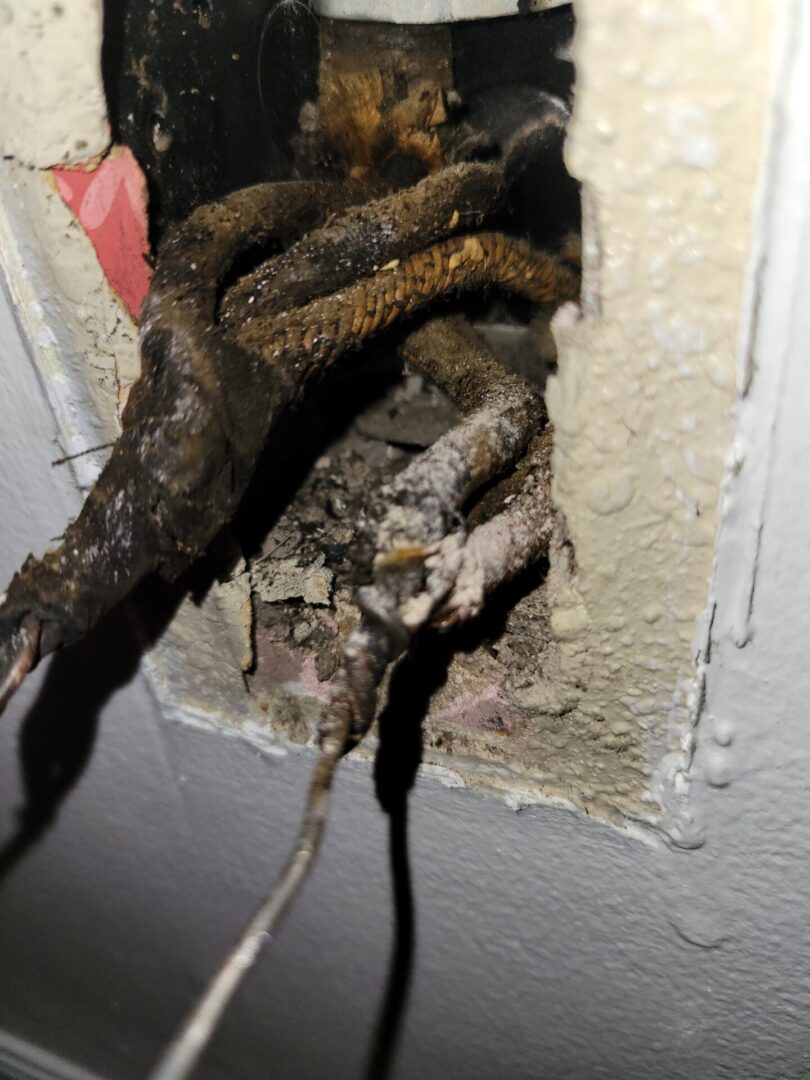
Why is my outlet not working?
A GFCI has tripped
A GFCI receptacle may shut off power because of moisture, damaged equipment, a faulty appliance, or a problem on the protected circuit. One GFCI can also protect additional outlets farther downstream. That means the outlet without power may not have its own TEST and RESET buttons; the controlling GFCI could be located in another bathroom, garage, kitchen, laundry area, or outdoor location.
The circuit breaker has tripped
A breaker may trip because the circuit is overloaded or because a short circuit, ground fault, damaged device, or wiring problem is present. A tripped breaker does not always rest in an obvious middle position. If there are no signs of heat, smoke, burning, buzzing, or damage, you can move the breaker fully to OFF and then back to ON one time. If it trips again, leave it off and arrange professional circuit-breaker diagnosis.
A switch controls the outlet
Some homes have switched receptacles for lamps and other lighting. Before assuming the outlet has failed, check nearby wall switches and confirm whether only one half of the receptacle is controlled. Avoid opening the outlet or removing its cover plate to investigate energized wiring.
The outlet or wiring is damaged
Receptacles can wear out, loosen, overheat, or develop damaged connections. Warning signs include discoloration, cracking, a plug that fits loosely, warmth, sparking, buzzing, a burning odor, or power that comes and goes when a plug moves. Stop using the outlet and do not attempt repeated resets when any of these conditions are present.
What can a homeowner safely check?
- Unplug appliances and devices from the affected outlet.
- Check whether nearby lights and outlets also lost power.
- Look for a nearby GFCI with TEST and RESET buttons.
- If the area is dry and there are no warning signs, press RESET firmly once.
- Check the electrical panel for a tripped breaker and reset it only once if conditions appear safe.
- Note what equipment was operating when the power stopped.
If the GFCI will not reset, immediately trips again, feels warm, shows damage, or loses power repeatedly, leave the affected circuit alone. Do not bypass the GFCI, replace it with a standard outlet, upsize a breaker, or work on exposed wiring.
The U.S. Consumer Product Safety Commission explains that GFCIs help protect people from severe electrical shock and recommends regular testing according to the manufacturer’s instructions. A qualified electrician should evaluate and correct a device that does not respond properly to its TEST and RESET controls.
Frequently asked questions about dead outlets and GFCIs
Why will my GFCI not reset?
A GFCI may not reset when it has no incoming power, another protective device has tripped, the device has failed, moisture is present, or a fault remains on the circuit. Repeatedly pressing RESET will not correct the underlying condition.
Can one GFCI control several outlets?
Yes. A properly wired GFCI receptacle can protect other outlets connected downstream. A tripped GFCI in one part of the home may therefore interrupt power somewhere else on the same protected circuit.
Why is only one outlet not working?
A single dead outlet may be controlled by a wall switch, protected by a GFCI located elsewhere, worn out, or affected by a loose connection. Check nearby switches and GFCIs without removing the cover plate. If power does not return or you notice damage, stop using the outlet and schedule an electrical inspection.
Is a warm or discolored outlet dangerous?
Heat or discoloration may indicate a loose connection, overload, damaged receptacle, or deteriorated wiring. Stop using the outlet. If there is smoke, active arcing, fire, or immediate danger, leave the area and call 911.
Should I replace a GFCI myself?
Incorrect connections can defeat protection or create another hazard. The CPSC advises contacting a qualified electrician when there is uncertainty about proper wiring or installation. A licensed electrician can determine whether the problem is the GFCI, another outlet, an appliance, the breaker, or the circuit wiring.
Dead outlet and GFCI repair in the Las Vegas Valley
Renew Electric provides 24-hour residential outlet, switch, and GFCI repair throughout the Las Vegas Valley. We troubleshoot the affected circuit, explain what caused the power loss, and provide clear repair options.
If an outlet is not working, a GFCI will not reset, or you notice heat, discoloration, buzzing, or recurring power loss, call (725) 577-2578 or contact Renew Electric to request residential electrical service.
About Renew Electric: Renew Electric LLC is a Nevada-licensed residential electrical contractor focused on service, repair, safety, and troubleshooting for homeowners throughout the Las Vegas Valley. This article provides general safety information; actual electrical conditions require an on-site evaluation.
Renew Electric LLC • Nevada Contractor License #0088361